
The process of adopting a dog is a unique experience—and inevitably different each time. This is due not only to the dog’s circumstances, age, and origin, but also their personalities. In this regard, even litter siblings adopted at the same time can show differences in behaviour and adaptability when facing everyday stimuli and situations.
Understanding this from the outset can help set realistic expectations and shape a more positive experience for you both. Whether you’re looking for tips for dog adoption or exploring helpful dog rehoming tips, the right approach can make all the difference.
What Should I Expect from the Dog Adoption Experience?
From the adopter’s perspective, previous experience with adoption, training, and living with dogs can all have an influence. In these cases, expectations based on previous adoptions can result in comparison between new situations versus old, and a certain feeling of frustration by the new family.
On the other hand, “new” adopters generally tend to have a more open attitude to any situation, and with fewer expectations. At the same time, they tend to have less knowledge of the challenges that adopting a dog can entail—and are therefore more likely to seek advice on adopting a dog.
Should I Adopt a Puppy or Adult Dog?
One of the first tips for dog adoption is considering whether you should adopt a puppy or an adult dog.
It is a common mistake to get carried away by the desire to raise a dog as if it were a baby, and similarly to be taken in by the dog’s appearance. By this we mean deciding to adopt a certain dog simply because it is “cuter” than another. In this sense, it is essential to reflect on the realistic possibility of adapting the needs of the dog and their age to your lifestyle.
For example, you must bear in mind that caring for a puppy will require more time and dedication—at least during the first year of life. At this early age, puppies need supervision much of the time and will need guidance to face the different situations in their daily life. They are also more susceptible to disease because they have a less developed immune system.
Adopting an adult dog, on the other hand, will involve other challenges. This can include dealing with possible bad behavioural habits established prior to adoption, current illness, or the need to maintain ongoing treatments.
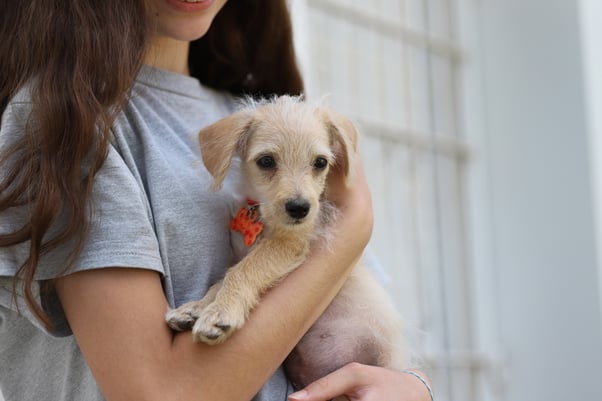
Ten Tips for a Adopting a Dog Successfully
1. Get Dog Adoption Advice & Information
The first tip for adopting or rehoming a dog is to focus on getting advice and information about the dogs you are interested in adopting. This includes their characteristics, their health status, and needs based on their age, temperament, and breed. Consult your veterinarian for guidance on this topic.
2. Choose a Reliable Source for Adoption
If possible, choose an animal that comes from a reliable source. In the case of puppies, ensure good breeding conditions have been maintained, such as:
- Allowing the puppy to remain with the mother and siblings until natural weaning.
- Ensuring regular and positive contact with people and other experiences.
- A suitable rearing environment for a puppy that is going to live in a family home.
3. Support Socialization
If you adopt a puppy, provide adequate and suitable socialization to people and dogs, and help them become familiar with different stimuli and environments.
4. Prepare for Their Arrival Home
Prepare for dog’s arrival home in advance. It takes time for a new dog to settle into their new family, as they will have to get used to a new home, people, dogs, the local outdoor space, daily activities, and routine.
There are many changes happening at once, and it is important to respect your dog’s needs during this period. To make their adoption easier, you can:
- Prepare your home with everything they need (resting place, toys, food, etc.)
- Create a comfortable and safe space just for them
- Plug in an ADAPTIL Calm diffuser in this space to provide reassuring signals
- Take a few days off work or align their arrival with a vacation period
- Establish routines from day one
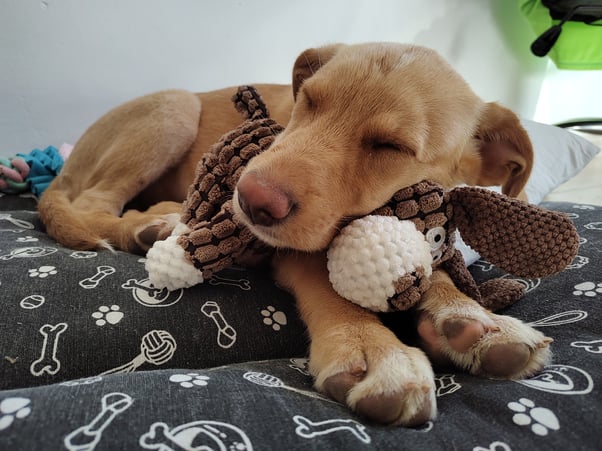
5. Visit the Vet
Once you get home, schedule an appointment with your vet for a health checkup, vaccination status check, and any other preventative measures needed, such as deworming. Make sure your dog’s microchip details are also updated with your contact details.
6. Establish Consistent Routines
Establish schedules and activities that are as consistent as possible so your newly adopted dog can quickly adapt to their new routines. This also includes the routines of the family, such as going to work, leaving them home alone, play sessions, walks, and so on.
7. Introduce Alone Time Gradually
Gradually get your dog used to being left alone, once they are settled in and confident with the family—usually a few days after they’ve arrived in their new home. Start with short outings of just a few minutes and increase the time gradually if your dog tolerates it.
Providing environmental enrichment such as toys or chews can help make this experience more positive as your dog gets used to spending time alone.
8. Use Positive Training Methods
Use only positive training methods to teach your dog, such as rewarding with food, petting, or affection, depending on your new dog’s preferences. Always avoid punishment and punitive methods of restraint or control as these can impact your dog’s wellbeing and trust.
9. Provide Daily Quality Walks
Provide your dog with quality walks, initially in quiet areas where they can relax easily. This helps them learn that going outside is a pleasant experience.
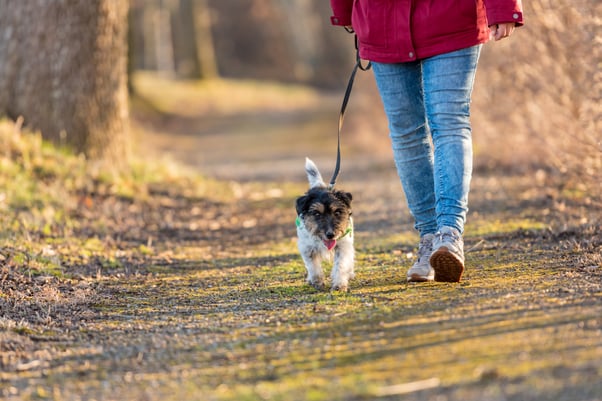
10. Introduce New Experiences Gradually
Introduce your dog to new stimuli and environments gradually, but only once they are comfortable home and with the family. Give them space and choice—for example, whether they want to approach and interact with people or other dogs.
Avoid forcing them to stay in environments where they don’t feel safe—one of the most important tips for dog adoption to remember.
Looking for More Support?
For more tips for dog adoption and expert advice on helping your dog settle into their new home, keep exploring the rest of the ADAPTIL blog.
You can also sign up for our newsletter to stay up to date with the latest guidance, helping you support your dog at every stage of the journey.
Leave A Comment
Want to sign up for our blog?
Information Notice
The personal information collected is intended for Ceva Santé Animale, and Ceva group companies, in order to manage your request.This information may be passed on to service providers in order to organize this management. In accordance with the Regulations on personal data you have rights of access, rectification and limitation of processing of your data. You may also, in certain limited cases, oppose the treatment, withdraw your consent and request the deletion and portability of your data. For any request relating to your personal data please go to this page