
As more people choose to live in towns and cities, it’s no surprise that more dogs are becoming part of urban communities too. From pet-friendly cafés and parks to social opportunities and new experiences, city life can offer plenty of enrichment for dogs and their pet parents.
However, urban environments can also be busy, noisy and unpredictable. Traffic, crowds, unfamiliar dogs and limited green spaces can sometimes make city life feel overwhelming, particularly for dogs who are naturally sensitive or less confident.
A dog in the city doesn’t necessarily need vast open spaces; what matters most is understanding their individual needs and helping them feel safe, comfortable and confident in their environment.
The Benefits and Challenges of City Living for Dogs
Benefits of city living
Urban environments can provide dogs with a rich variety of experiences. Regular exposure to different people, places and situations can help many dogs develop confidence and adaptability. Opportunities for dogs in the city and urban environments include:
- Socialization with people and other dogs—going for a walk in the city and not encountering any people or other dogs is very rare! This creates valuable opportunities for socialization and confidence building.
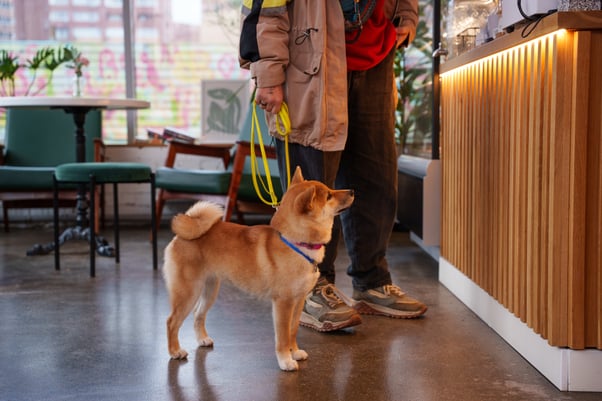
- Access to dog-friendly businesses and public spaces—as more people are taking their dogs out with them, businesses have adapted to become more pooch friendly. This is a great way to bond with your dog while also encouraging social interaction while out in the city.
- Mental stimulation—cities are usually bustling with different sounds and smells. As dogs experience the world through their noses, urban environments are a good stimulus for dogs as they offer cognitive enrichment.
Potential challenges for dogs in the city
While there are positives to urban living for dogs, these can also be challenges to overcome.
- Noise and sensory overload—many cities are filled with constant background noise, from traffic and sirens to busy crowds. While some dogs quickly adapt, others may find these sounds unsettling.
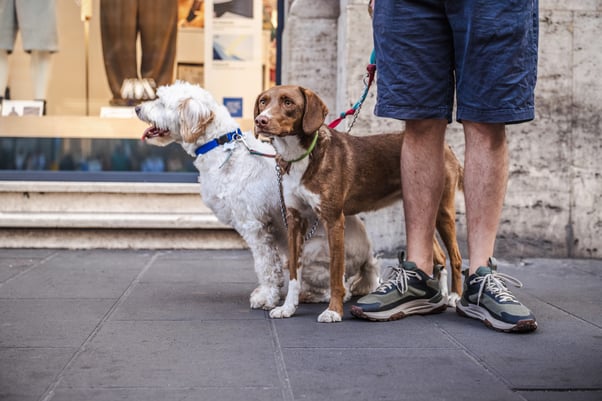
- Crowded spaces and unpredictable encounters—unlike quieter rural settings, urban environments often involve close contact with unfamiliar people or dogs. Dogs who are less confident, more sensitive to their surroundings, or who have had difficult past experiences may find busy environments challenging.
- Limited green space—while many cities offer parks and recreational areas, opportunities for off-lead exercise and natural exploration can sometimes be limited.
It’s also important to remember that stressors can accumulate throughout the day. A noisy road, an unexpected encounter with another dog, and a busy café visit may each seem manageable on their own. However, when several challenging experiences occur close together without enough time to rest and recover, some dogs may find it harder to cope.
This doesn’t mean dogs can’t thrive in urban environments. For pet parents wondering whether dogs need space, the focus should be on providing appropriate exercise, enrichment and opportunities to explore, rather than square footage alone.
Do Dogs Need Space?
One of the most common questions dog parents ask is: do dogs need space? Rather than focusing solely on square footage, it is often more helpful to consider whether your dog’s daily routine provides enough physical exercise, mental stimulation and opportunities for relaxation.
Dogs need opportunities to move, explore, sniff, learn, and rest. A dog living in a flat with regular walks, training sessions and enrichment activities may have their needs met more effectively than a dog with access to a large garden but little interaction or stimulation.
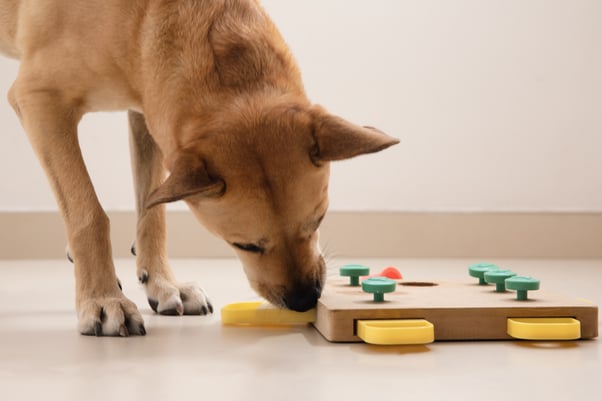
Mental enrichment is particularly important. Activities that encourage natural behaviours, such as sniffing, problem-solving and exploring, can help dogs feel fulfilled and should be encouraged.
Can I Have a Dog in a Flat?
For many dogs, apartment and flat living can work extremely well when their individual needs are understood and supported. The key is to consider more than just size.
If you live in a flat and are thinking about adopting a dog, think about:
- The breed’s energy levels and exercise requirements
- Temperament and adaptability
- Sensitivity to noise and activity
- Breed history and behavioural tendencies
Some herding breeds may find busy urban environments and small living spaces more stimulating due to their natural tendency to monitor movement. Likewise, some guarding breeds may be more alert to noises within shared buildings.
This doesn’t mean these pooches can’t thrive in flats, but they may benefit from additional training, management and support.
A consistent routine, regular outdoor time and opportunities for enrichment can help dogs feel more settled and fulfilled, while a dedicated retreat area gives them a safe space to rest and decompress.
For dogs adapting to apartment living, ADAPTIL Calm can help create a reassuring atmosphere, as sounds from neighbours, lifts or communal spaces are difficult to avoid. Simply plug the diffuser in the room where your dog spends most of their time to get up to 30 days of calming messages.
Dog Breed Considerations For Urban Living
There is no single answer when it comes to choosing the best dogs for urban living. While some breeds may adapt more easily to city life, temperament, energy levels and individual personality are often just as important.
Dogs who adapt well to city life often share certain traits:
- Are comfortable around people
- Able to recover quickly from new experiences
- Adaptable to changing environments
- Have exercise needs that fit their pet parents’ lifestyle
However, temperament, early experiences and ongoing support often play a greater role than breed alone when it comes to considering the best dogs for urban living. The most important factor is finding a dog whose needs align with the lifestyle you can realistically provide.
Tips for Living in the City With Your Dog
Make the Most of Indoor Enrichment
Living in a smaller space doesn’t mean enrichment has to be limited.
Try incorporating:
- Puzzle feeders
- Snuffle mats
- Scent work games
- Interactive toys
- Short training sessions
- Food enrichment activities
These activities encourage natural behaviours and provide valuable mental stimulation.
Choose Walks Thoughtfully
Busy times and crowded routes may not suit every dog living in the city, especially for dogs who are naturally sensitive to noise or activity. Where possible, explore quieter walking locations, vary your routes and allow plenty of opportunities for sniffing and exploration.
Seek Advice From A Local Dog Trainer
Certain cues will become important for your dog to know. To confidently take them on walks in the city, we recommend training your pooch to understand:
- Leave it—this cue can be useful for instances when your dog spots something on the ground they’re interested in.
- Settle—taking your pooch to public spaces will become easier with this cue as they’ll learn that in certain situations, for example when sat in a café, they need to settle and calm.
- Recall—this is always an important cue to train your dog to understand but is all the more important when in a busy city.
- Walking close to you—there may be instances where you’re walking through a crowd or on a tight section of pavement. Training your dog to stay close keeps you both safe.
A strong connection between dog and human is crucial so that your dog is able to focus on you with so many potential distractions while out and about. If you reach out to your local qualified dog trainer, they’ll be able to help you to strengthen your bond and address any concerns you may have when it comes to training your dog.
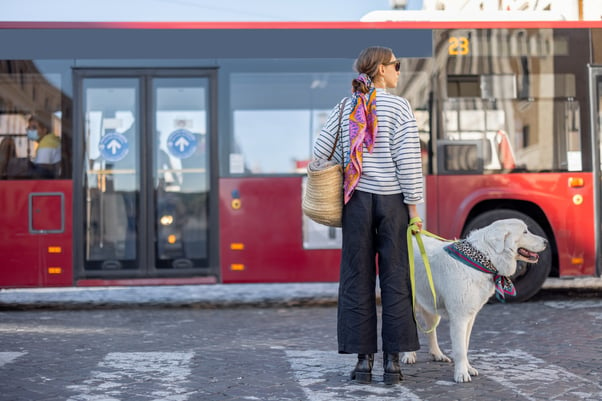
Another training tip is to learn to navigate public transport together—including elevators—to help both you and your dog feel more comfortable when out travelling the city.
Helping Dogs Feel Calm and Confident in Busy Environments
Supporting emotional well-being is an important part of helping dogs thrive in cities.
Pay attention to your dog’s body language and recognize signs that they may need more space, rest, or support. Small signals such as turning away, lip licking, yawning or avoiding interaction can indicate that a situation is becoming challenging.
To support calm behaviour:
- Maintain predictable routines
- Create opportunities for rest and recovery
- Provide a quiet retreat area at home
- Use positive reinforcement to encourage calm responses
- Reward relaxed behaviour whenever you notice it
- Reduce exposure to situations your dog finds overwhelming where possible
Remember that every dog is unique. Some may adjust quickly to urban life, while others may need more time and support to build confidence. If your dog is struggling to cope with aspects of city living, speak to your veterinarian or a qualified behaviour professional for personalized advice.
ADAPTIL Calm can also help support your dog’s emotional wellbeing in a busy environment as part of a wider management plan. The ADAPTIL Calm Diffuser releases dog appeasing pheromones, the same comforting message naturally produced by a mother dog to help her puppies feel safe and secure. Plugged into an area where your dog regularly rests, it can help create a reassuring atmosphere at home.
For support both at home and while navigating the sights and sounds of urban life, the ADAPTIL Calm Collar provides continuous comfort and reassurance wherever your adventures take you.
With the right balance of routine, enrichment, rest and support, many dogs can enjoy a happy, confident and fulfilling life in the city. Whether you have a dog in a flat, are learning how to raise a dog in an apartment or are simply looking for ways to help your canine companion feel more comfortable in busy surroundings, understanding their individual needs is the first step towards helping them thrive.
For more guidance on supporting your dog at home, explore the ADAPTIL blog library. And while you’re there, don’t forget to sign up for our newsletter for expert tips delivered straight to your inbox.
Leave A Comment
Want to sign up for our blog?
Information Notice
The personal information collected is intended for Ceva Santé Animale, and Ceva group companies, in order to manage your request.This information may be passed on to service providers in order to organize this management. In accordance with the Regulations on personal data you have rights of access, rectification and limitation of processing of your data. You may also, in certain limited cases, oppose the treatment, withdraw your consent and request the deletion and portability of your data. For any request relating to your personal data please go to this page