
As much as we enjoy basking in the sun on a lazy afternoon, summer can be a dangerous time for our beloved pooches—at least if we’re not careful. Without proper care, dogs can quickly suffer from heat exhaustion or even the more life-threatening heatstroke.
As responsible pet caregivers, it’s our responsibility to understand these risks and learn how to prevent heatstroke in dogs. From knowing the warning signs to taking proactive steps, we’re taking a look at the most effective ways to keep your dog safe when temperatures rise.
What Is Heatstroke in Dogs?
So, heatstroke—what exactly is it? Well, in dogs, heatstroke is a severe condition that occurs when a dog’s body temperature rises above a safe range and they’re no longer able to cool down effectively.
Dogs normally maintain a body temperature between 37°C and 39°C. Once it exceeds 40°C (104°F), their tissues and organs can start to become damaged.
Unlike humans, dogs don’t sweat to regulate their temperature. Instead, they pant and release heat through their paw pads and nose. This makes them more vulnerable to overheating, especially in hot or humid weather.
Signs of Heatstroke in Dogs to Look Out For
Knowing how to recognize the signs of heat stroke in your dog could save their life should the worst happen and you be caught unaware—particularly in those blazing summer months. Look out for:
- Excessive panting and rapid, heavy breathing
- Excessive drooling
- Purple or red gums or reddened skin
- Vomiting or diarrhea
- Lethargy, weakness, or confusion
- Staggering or collapse
These symptoms may worsen rapidly, so quick action is hugely important. If you notice any of these signs of heatstroke in your dog, prompt medical attention is essential.
Heat Stroke vs. Heat Exhaustion in Dogs—What’s the Difference?
While we’re talking about heatstroke, we should also mention heat exhaustion in dogs. This is an earlier and less severe stage of heat-related illness. However, it can escalate to heatstroke if not addressed quickly.
With that in mind, look out for:
- Panting and drooling
- Mild weakness or tiredness
- Increased thirst
Bear in mind that heat exhaustion is a warning sign that your dog needs to cool down immediately. While less severe than heatstroke in dogs, action is nevertheless essential to care for your pooch. So, next up, let’s take a look at what to do if your dog is overheating.
What to Do If Your Dog Is Overheating
If you spot signs your dog is overheating, immediate action is critical:
- Move your dog to a cool, shaded space, ideally with a breeze or air conditioning.
- Wet their body with cool water to help them cool down. Keep adding water as they settle.
- Offer small amounts of cool water for your dog to drink.
- Contact your vet urgently.
- Continue cooling your dog while transporting them, ideally in an air-conditioned vehicle.
How to Prevent Your Dog from Overheating
Of course, prevention is always better than cure. Here’s how to prevent heatstroke in dogs, especially during hot summer months.
Keep Your Dog Hydrated
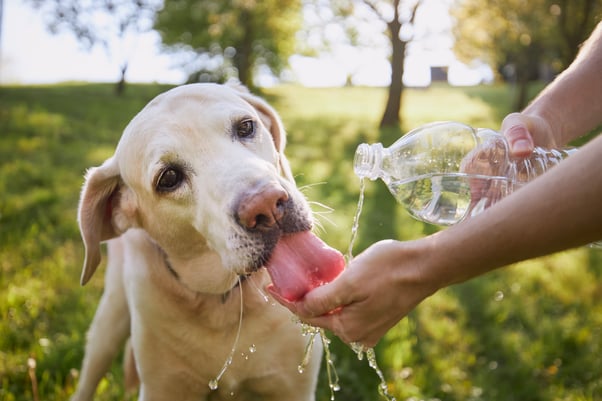
Water is one of the simplest and most effective tools in preventing heatstroke. Make sure your dog has constant access to fresh, cool water throughout the day, both indoors and outside.
At home, keep bowls filled to the brim and consider using a freezable or insulated water bowl to help maintain a cooler temperature, or even adding ice cubes. When heading out, bring a portable water bowl and encourage your dog to drink regularly—before, during, and after walks or play.
Create a Cool Environment
Dogs need a cool, shaded place to relax during hot weather.
In your garden or outdoor area, provide shelter from direct sunlight. This could be natural shade from trees, or it may be worth investing in a pop-up canopy or awning. Many dogs also enjoy cooling off in shallow water like a paddling pool.
Indoors, fans or air conditioning can help maintain a comfortable environment. If air conditioning isn’t an option, cooling mats or damp towels on the floor offer a soothing spot for your dog to lie on and cool down.
Avoid the Hottest Times of Day
Plan walks and summer outdoor activities for the cooler parts of the day, ideally early morning or later in the evening. Bear in mind that heat can linger into the evening, especially after a particularly hot day, so mornings are often the safest choice.
During extreme heat, avoid long or strenuous walks altogether. Instead, focus on gentle indoor games or training sessions to keep your dog mentally stimulated without the risk of overheating.
Use Dog-Specific Cooling Products
Cooling gear can be a helpful way to support your dog’s natural efforts to regulate body temperature. Cooling vests and bandanas are designed to reflect heat and provide gentle evaporative cooling, while cooling mats offer a refreshing place to lie down. Adding an ADAPTIL Calm diffuser near their rest area can also help them settle and relax.
Offer Frozen Treats & Chilled Toys
Summer is the perfect time to get creative with frozen dog treats. You can make your own at home using dog-friendly ingredients like yoghurt, banana, or peanut butter frozen into silicone mould or ice cube trays.
For extra cooling, place ice packs or frozen water bottles wrapped in a towel for your dog to lie on. Even toys can become cooling aids—store a few in the freezer and rotate them during the day to keep playtime safe and refreshing!
Tips to Keep Your Dog Cool During Walks
Planning a dog walk in the heat of summer? We’ve touched on the importance of choosing a cooler time of day and regular hydration, but there are several other precautions you can also take to help keep your pooch cool and prevent overheating.
Stick to Shaded Walking Routes
Choosing a route with plenty of natural shade can make a big difference. Tree-lined paths, parks, and woodlands provide some protection from direct sunlight and help keep both you and your dog more comfortable. If your dog seems warm, take breaks in shady spots and allow them time to rest and cool off before continuing the walk.
Adjust the Length and Intensity
In hot weather, it’s better to shorten your usual walking route and slow the pace. Intense exercise raises your dog’s body temperature and can lead to exhaustion faster. On the other hand, short breaks allow your dog to recover and prevent them from pushing too far.
If you want to burn off energy in other ways, try short indoor training sessions, scent games, or enrichment toys that stimulate their mind without overexerting their body.
Protect Sensitive Paws from Hot Surfaces
In summer, pavements, tarmac, and sand can get dangerously hot and cause painful burns on your dog’s paw pads—so be wary.
A good rule of thumb is to press your hand against the ground for a few seconds. If it’s too hot for your skin, it’s too hot for your dog. Whenever possible, stick to grassy routes or shaded woodland paths where the ground stays cooler.
Watch for Signs of Overheating
Throughout the walk, keep a close eye on your dog for any signs of heat exhaustion or heatstroke. If you notice excessive panting, drooling, if your dog’s movements have slowed down, or if their movements are uncoordinated, it’s time to stop immediately. Move your dog to a shaded or cool area, offer water, and begin to gently cool their body with lukewarm water if needed. If symptoms are severe, seek veterinary care right away.
Bonus Summer Safety Tips
With all our advice above, you and your pooch should be ready to get through the summer months. But wait! We still have a few extra pointers to share so you can have a safe summer together:
- Never leave your dog in a parked car—temperatures rise dangerously fast, even with the windows cracked.
- Regular grooming helps remove excess fur and keeps your dog cooler.
- Use pet-safe sun cream on exposed skin, such as their nose and belly.
- Stay alert for plants, bugs and wildlife like bees, wasps, or even snakes.
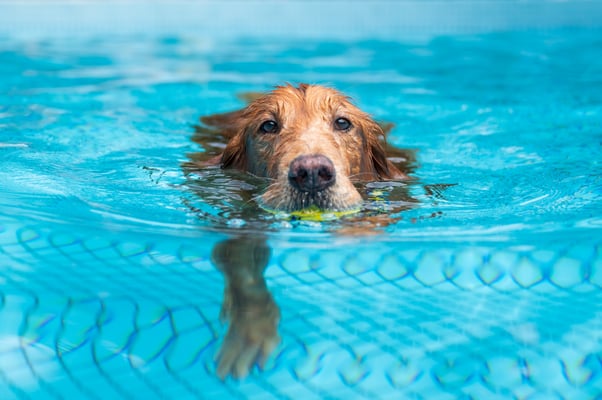
- Even dogs playing in water can overheat—watch for signs of fatigue or overheating, even in the pool!
And lastly, bear in mind that some dogs are more prone to overheating than others. This includes:
- Brachycephalic breeds (short-nosed dogs like Pugs and Bulldogs)
- Heavy-coated breeds (like Chow Chows and Newfoundlands)
- Older or overweight dogs
- Dogs with heart or respiratory issues
These dogs need extra care and should avoid heat exposure whenever possible.
And remember, summer should be fun for you and your dog, but safety always comes first. With a little planning, you can help your pup stay cool, happy, and healthy, no matter how high the temperature climbs.
Are you looking for more tips and advice on caring for your dog in the summer months and beyond? We have a huge range of resources to explore across our blogs, covering everything from seasonal tips to more general advice for looking after your pooch at home! And while you’re there, don’t forget to sign up for our newsletter to stay up to date with all the latest information!Leave A Comment
Want to sign up for our blog?
Information Notice
The personal information collected is intended for Ceva Santé Animale, and Ceva group companies, in order to manage your request.This information may be passed on to service providers in order to organize this management. In accordance with the Regulations on personal data you have rights of access, rectification and limitation of processing of your data. You may also, in certain limited cases, oppose the treatment, withdraw your consent and request the deletion and portability of your data. For any request relating to your personal data please go to this page