
For dogs, confidence is just as important as it is for us humans. It gives them a sense of security, a willingness to explore and the ability to cope with new or challenging situations. By encouraging your pup to find their self-confidence, you can help them feel safe and reduce anxiety—and it can even strengthen the special bond you share together.
If you’re wondering how to build your dog’s confidence, this blog explores five ways you can help turn your nervous dog into a proud pooch! But remember, every dog is unique. Some are naturally more outgoing, while others are a bit more reserved, so it’s important to understand your dog’s personality and take things at their pace.
Signs of a Nervous Dog
To build confidence in dogs, it’s helpful to identify when they’re nervous and what might be causing these emotions. Spotting signs that your dog may be lacking confidence allows you to support them when they are facing uncomfortable situations, before their behaviours and body language escalate.
Nervous Body Language Cues:
- Tail tucked between the legs, ears pinned back and in a crouched posture.
- Avoiding eye contact, lip licking, yawning when not tired, dilated pupils and panting when it’s not hot.
- Trembling, hiding or trying to escape from situations.
Nervous Behavioural Signs:
- Hesitation when meeting new people or dogs.
- Reluctance to go on walks or explore new environments.
- Barking, growling, lunging or snapping when feeling afraid.
1. The Role of Dog Socialization
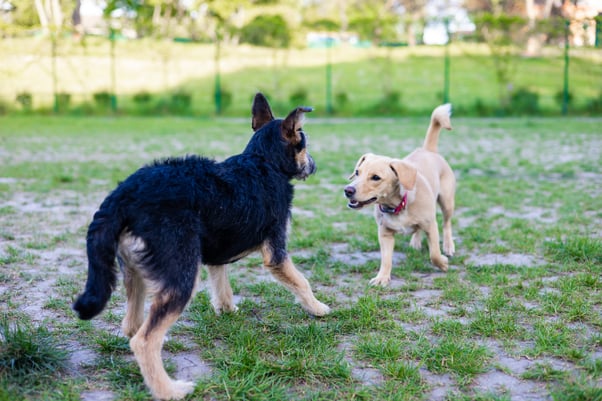
Socialization is a great way to help build a dog’s confidence. It provides gradual, positive exposure to a variety of people, animals, environments and experiences. The main learning period for a dog to become socialized is in puppyhood, but socialization for dogs is still beneficial when they’re older, as it helps them understand that new things are not so scary.
Ongoing socialization to help a nervous dog feel more confident can include things such as regular walks in different areas, meeting calm dogs and visiting pet-friendly shops. Make sure that these new experiences and introductions are controlled and as positive as possible.
Socialization Tips for Success:
- Keep sessions short and positive—use treats and praise to reinforce calm behaviour.
- Start with low intensity experiences—such as keeping your distance from other dogs on walks. Forcing interactions can be overwhelming and may set back any progress you’ve made.
- Go at their pace—follow your dog’s individual response and ensure their body language isn’t showing signs of stress. Pair this with positive rewards to help your dog change their emotional response to the trigger.
2. Dog Training Tips for Building Confidence
Training can be a great solution for building a dog’s confidence by providing positive experiences, building trust and teaching them to navigate challenges. Some of our top dog training tips for helping your pooch feel more confident include:
Positive Reinforcement
- Reward desired behaviours with treats, toys, or praise—find out what works for your dog!
- Positive experiences help build trust and encourages your dog to try new things and offer different behaviours.
- Reinforce wanted behaviour—even small steps towards being calm around an object or situation should be captured and rewarded.
- Consistency is key for building a “confidence bank”. Each positive experience adds to your dog’s sense of safety and capability.
Basic Cues
- Teaching cues such as “sit”, “stay”, “come”, and “settle” gives your dog structure and predictability and helps them to know what is expected. This can be reassuring and builds confidence as they master these skills.
- Practice initially in a low-disturbance environment, before considering moving to repeating the training in more noisy or busy environments.
Confidence-Building Games
- Playing games where dogs use their skills and initiative encourages problem-solving and engagement.
- Try games such as Hide-and-seek, “find it” scent games and trick training.
Avoid Punishment
- Harsh corrections can damage trust and increase fear.
- Focus on guiding and rewarding rather than correcting.
3. Enrichment and Mental Stimulation
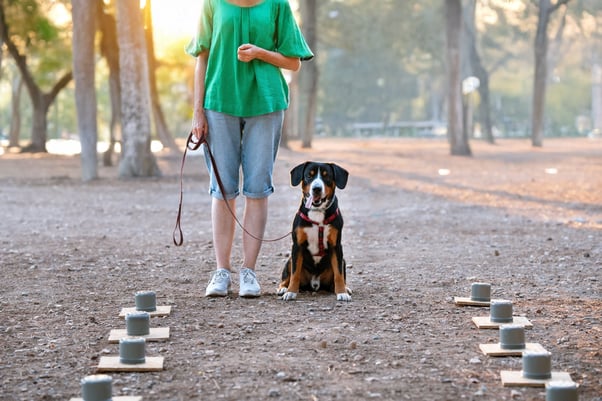
Enrichment and stimulation keep dogs mentally active and build confidence through success and exploration. It’s important to rotate the toys and activities to keep things fresh and introduce your pup to new experiences. Match the difficulty of the activity to your dog’s skills and gradually increase the challenge. This can help boost your dog’s confidence in their abilities.
Try activities like:
- Puzzle feeders
- Treat-dispensing toys
- Scent trails and sniff walks
- DIY games like hiding treats in boxes or under cups
- New activities such as agility and other canine sports
4. Create a Safe Environment
Creating a safe and predictable environment is great for helping to foster a nervous dog’s confidence. It also helps to build trust in your relationship, making your dog feel more secure.
To create a secure environment for your pup, it’s important to establish a daily routine and structure that suits them, ensure they have access to spaces in the house where they feel comfortable and minimize stressors such as sudden changes.
You can also use an ADAPTIL Calm Diffuser or an ADAPTIL Calm Collar to help create a secure and calm environment for your dog. The dog-appeasing messages in the ADAPTIL Calm Collar and diffuser help dogs feel comfortable and secure in new or challenging situations. They help reduce signs of stress and support learning and socialization, which encourages your dog’s confidence.
5. Advocate for Your Dog
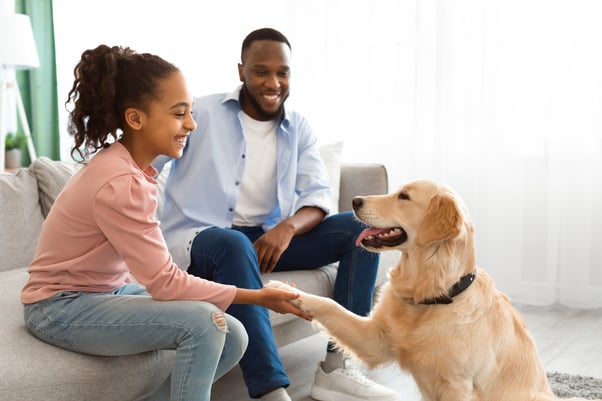
Being your canine companion’s biggest supporter is a sure way to help grow their confidence. Understanding your dog’s body language and what they may be trying to tell you can help you advocate for them, allowing you to make changes if they’re stressed in a situation or interaction.
Taking the time to understand what your dog finds challenging, as well as understanding their personality and preferences, can strengthen both your bond and their confidence. Remember to celebrate even the smallest victories and progress, as learning how to build your dog’s confidence can take time, patience and consistency.
For more tips and advice on building your dog’s confidence, be sure to explore the rest of our blogs online. Or if you’d like to receive the latest news and advice straight into your inbox, don’t forget that you can also sign up for our newsletter.
Leave A Comment
Want to sign up for our blog?
Information Notice
The personal information collected is intended for Ceva Santé Animale, and Ceva group companies, in order to manage your request.This information may be passed on to service providers in order to organize this management. In accordance with the Regulations on personal data you have rights of access, rectification and limitation of processing of your data. You may also, in certain limited cases, oppose the treatment, withdraw your consent and request the deletion and portability of your data. For any request relating to your personal data please go to this page