
Has your dog visited the vet clinic recently? If so, you may have noticed them acting a little differently afterwards.
While vet visits are essential for your dog’s health, they can also be overwhelming experiences. Some bounce back quickly, but other dogs may remain unsettled for hours, or even days.
Not to worry though, ADAPTIL is on hand to help. By understanding why this happens and what you can do to support them, you can help your dog feel calmer and more comfortable after their visit.
Why Your Dog May Feel Unsettled After the Vet
It’s very common for a dog to feel scared or stressed after a vet visit. From their perspective, it can be a completely unfamiliar experience where a whole range of unfamiliar things can happen. In fact, there are many reasons why dogs can struggle after an appointment.
Unfamiliar Environment & Handling
Veterinary clinics are full of new sights, sounds, smells, and people. On top of that, your dog may have been handled in ways they’re not used to. Add in all the other animals who may also be feeling anxious, and it’s no wonder a dog can come away feeling unsettled.
Medical or Physical Discomfort
After a vet visit, your dog may still feel unwell or sore, especially if they’ve had any treatments or injections. This pain or discomfort can reduce their ability to cope emotionally.
Sensory Overload
Bright lights, slippery floors, unusual noises—these small stressors can build up quickly, leaving even the steadiest of dogs feeling overwhelmed.
.jpg?width=602&height=401&name=shutterstock_2409924233%20(1).jpg)
Emotional Associations
If your dog has had difficult experiences at the vet before, they may already associate the environment with stress or discomfort, making future visits harder to manage.
Separation From You
Being taken away for a treatment can be particularly distressing, especially for dogs who rely heavily on your presence for reassurance.
Changes to Routine
Dogs thrive on routine. A visit to the vet disrupts their normal day, which can often leave them feeling unsettled.
Picking Up on Your Emotions
Dogs are incredibly perceptive of our emotional states. If you’re feeling anxious about the visit—or even about travelling to the clinic—your dog may mirror those emotions.
Signs Your Dog Is Still Stressed After a Vet Visit
Given all the potential causes for stress, it’s helpful to learn how to recognize what these feelings of stress look like in your dog’s behaviour. That said, not all signs of stress are obvious. If you think your dog may be stressed after their vet visit, watch for these subtle changes.
Behavioural Signs
- Clinginess or following you around
- Hiding or avoiding interaction
- Increased vocalization such as barking, whining, or whimpering
- Being more easily startled
- Reduced appetite or interest in treats
Physical Signs
- Panting or pacing
- Drooling or lip licking
- Dilated pupils
- Shaking off as if wet
- Tense body posture
Recognizing these signs early helps you respond with the right support. And the best time to begin? Right away, from the moment you get home from the veterinary clinic.
How to Help Your Dog Unwind at Home
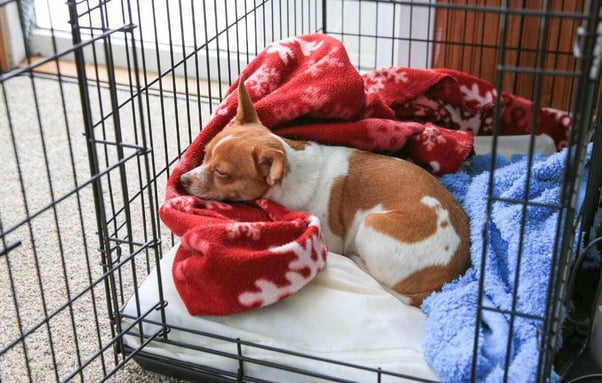
Knowing how to help a stressed dog generally comes down to one simple goal: creating a calm, safe space where they can decompress. This allows them to unwind at their own pace and regain their sense of control within the environment after an overwhelming experience.
Of course, this sounds simple on paper, but the reality of supporting an unsettled dog can be a little tricky. We recommend breaking it down into smaller stages.
Create a Calm Environment
Set up a quiet, low-stimulation space at home with soft lighting and minimal noise. Aim to make it as comfortable as possible so your dog can stay as long as they wish.
You can enhance this space even further by plugging in an ADAPTIL Calm diffuser. This releases comforting pheromones that can help provide reassurance and calm around the home.
Ideally the diffuser should be set up long before the vet visit as a great way to provide a permanent space of comfort. Many dog parents see results within the first few days of use, though we always recommend using the diffuser for a full 30 days.
Let Them Decompress
Allow your dog to choose where they rest and how much interaction they want. It may be tempting to try to reassure them with extra attention, but it’s important not to overwhelm them further. Instead, follow their lead.
Gentle activities like a lick mat or stuffed chew toy can also promote calm behaviours without requiring direct interaction.
Stick to Familiar Routines
Returning to normal routines, like regular feeding times or a gentle walk, can help a stressed dog after a vet visit, restoring feelings of being secure and grounded.
Encourage Rest
Sleep is an important part of emotional recovery. Many dogs will naturally want to rest after a stressful experience.
Monitor Their Recovery
Keep an eye on your dog for any ongoing discomfort or unusual behaviour. If your dog continues to show signs of stress after a vet visit—either remaining unsettled for longer than expected or appearing unwell—the best place to contact for support is the vet clinic itself.
Preparing for Future Vet Visits
Of course, helping your dog feel more comfortable doesn’t stop (or start) when you get home. There are plenty of ways to reduce stress for future vet appointments too. A proactive approach is the perfect solution.
Build Positive Associations
Short “happy visits” to the vet clinic with treats from both you and the staff, and no uncomfortable procedures can help gradually change how your dog feels about the environment.
Be sure to check with the clinic beforehand for suitable times of day or any specific programs in place for new patients.
Practice Gentle Handling
Get your dog used to having their ears, paws, and mouth gently handled at home using reward-based training. If your dog knows what to expect, this can make examinations at the clinic less stressful.
Make Travel Easier
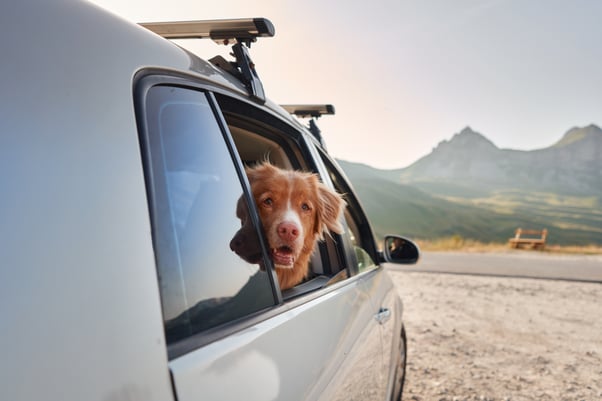
For many dogs, the journey itself is a major trigger. We have plenty of helpful resources to support with car travel, but gradual desensitization is one of the best ways to help reduce travel stress.
We also recommend using ADAPTIL Transport. This calming spray can be applied directly to your dog’s bedding, blanket, or carrier, helping your dog feel more comfortable when on the move.
Apply 8 – 10 sprays where your dog will travel or settle, wait 15 minutes before letting your dog in, and that’s all it takes. You’ve created a source of support that will last up to 5 hours—perfect for the journey to and from the vet clinic.
Bring Familiar Items
A favourite blanket or toy can provide comfort in an unfamiliar setting. Treats from home can also help reinforce positive experiences.
Plan Ahead
Consider quieter appointment times or waiting in your car if the waiting room feels overwhelming for your dog.
Speak to Your Vet
If your dog is scared after the vet visit and is experiencing significant stress, the veterinary team are the most qualified to help, and may be able to suggest additional support options.
Helping Your Dog Feel Like Themselves Again
Every dog is different. Some recover quickly (or don’t need to recover at all!), while others need a little more time and support to settle. By learning how to help a stressed dog, however, you can make the post-vet experience far more comfortable for your canine companion.
For more advice on calming your dog and preparing for stressful situations, continue exploring our other blogs online. And if that’s not enough to keep you satisfied, you can also sign up for our newsletter to receive the latest expert tips and guidance straight into your inbox!
Leave A Comment
Want to sign up for our blog?
Information Notice
The personal information collected is intended for Ceva Santé Animale, and Ceva group companies, in order to manage your request.This information may be passed on to service providers in order to organize this management. In accordance with the Regulations on personal data you have rights of access, rectification and limitation of processing of your data. You may also, in certain limited cases, oppose the treatment, withdraw your consent and request the deletion and portability of your data. For any request relating to your personal data please go to this page