
A confident dog is able to cope with everyday life, explore their world, and engage with new experiences in a calm and balanced way. Confidence helps dogs feel safe, secure, and able to enjoy life more fully, supporting their overall emotional well-being.
For pet parents, supporting confidence is one of the most valuable things you can do for your furry companion. It influences how they respond to new environments, unfamiliar people, changes in routine, and everyday challenges.
But confidence doesn’t look the same for every dog, and it isn’t fixed. Some dogs are naturally more cautious, while others may lose confidence over time due to experiences, life changes, or ageing. The positive news is that building a dog’s confidence is possible at any stage of life through patient, supportive, and positive experiences.
In this article, we’ll explore what confidence means for dogs, why some dogs struggle with it, how it changes across life stages, and practical ways to support dog confidence training and emotional resilience in everyday life.
What Confidence Means in Dogs
When we talk about dog confidence, we are describing a dog’s ability to cope with new or changing situations without becoming overwhelmed by fear or stress. A confident dog feels secure enough in their environment to explore, learn, and recover quickly from surprises.
Importantly, confidence does not mean fearlessness. Instead, it reflects emotional balance and the ability to cope.
Signs Of a Confident Dog
Recognizing the signs of a confident dog can help pet parents understand their dog’s emotional well-being by recognizing when they are happy and content:
- Relaxed body posture, soft eyes, and loose muscles
- Neutral tail position and relaxed ears
- Willingness to explore new environments
- Comfortable interaction with people and other dogs when appropriate
- Quick recovery after unexpected sounds or events
- Ability to focus during training and respond to cues
Why Do Some Dogs Lack Confidence?
Not all dogs develop confidence in the same way. A variety of factors can influence emotional development including:
- Early life experiences, including maternal stress or poor early environments
- Limited or negative socialization during puppyhood
- Traumatic or overwhelming past experiences
- Inconsistent routines or communication from pet parents
- Health issues affecting behaviour or emotional well-being
Some dogs may also naturally be more cautious due to their genetics. If there is a sudden change in behaviour or confidence, it’s always important to speak to a vet to rule out underlying health concerns.
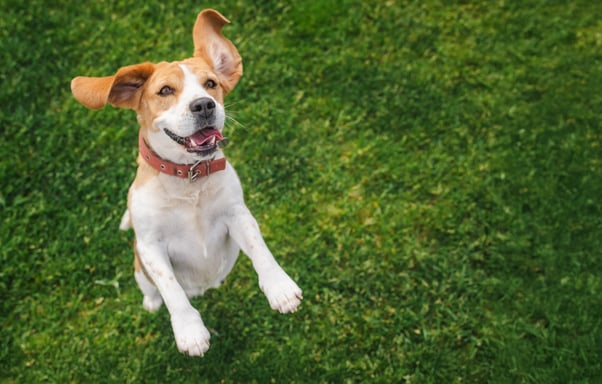
Confidence Challenges at Different Life Stages
Confidence can change throughout a dog’s life. Understanding these life stages help tailor support appropriately.
Puppies
Puppyhood is a critical learning period. During this time, puppies form associations that shape how they view the world as adults. Positive, controlled exposure to different sights, sounds, people, and environments helps lay the foundation for emotional resilience.
Good puppy socialization is especially important here. Carefully introducing puppies to a wide range of everyday experiences can help them build confidence. This includes meeting calm people and dogs, hearing household and everyday outdoor noises, exploring different surfaces, and visiting new environments.
These experiences should always be positive and paced according to the individual puppy, as quality matters far more than quantity.
However, experiences must be carefully managed. Overwhelming a puppy can reduce confidence rather than build it. Learning to recognize your puppy’s body language can help you spot when they are becoming overwhelmed, so you can move them away from the situation before it becomes a negative experience.
Adolescents
Adolescence (between 6 – 18 months of age) is often a period of change and uncertainty. Dogs may appear less confident, more reactive, or inconsistent in behaviour.
Common changes include:
- Testing boundaries
- Temporary regression in previously learned behaviours
Consistency and calm, positive reinforcement are essential during this stage.
Adult Dogs
Adult dogs may experience dips in confidence due to environmental changes, routine disruptions, or negative experiences.
At this stage, building a dog’s confidence focuses on gently reshaping associations and reinforcing positive, predictable experiences through structured support and training.
Senior Dogs
As dogs age, changes in sensory ability and cognitive function can affect how confident they feel in their environment. Familiar spaces may feel less predictable, which can lead to uncertainty.
Senior dogs benefit from:
- Stable, predictable routines
- Reduced environmental pressure
- Gentle introductions to change
- Extra time to process new situations
Confidence in senior dogs is often supported through reassurance and consistency rather than new learning.
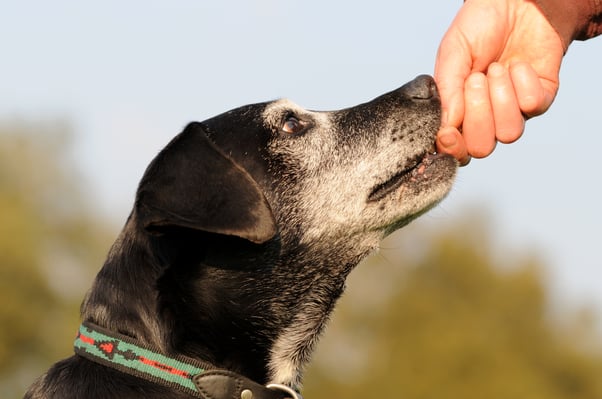
Dog Confidence Building Exercises
Effective dog confidence building exercises are based on patience, positivity, and gradual progress. Below, we have outlined 5 useful dog confidence building exercises to support your furry companion.
Gradual Exposure
Gradual exposure (desensitization) helps dogs build confidence by introducing new experiences at a manageable level.
- Start with low-intensity versions of the trigger.
- Gradually increase exposure over time.
- Pair with positive reinforcement such as treats or play.
- Always progress at your dog’s pace, giving them time to adjust and feel comfortable before moving on.
Positive Reinforcement Training
Reward-based training helps dogs understand what is expected and builds emotional security.
Benefits include:
- Strengthening trust between dog and pet parent
- Encouraging calm and appropriate responses
- Reinforcing successful learning experiences
Enrichment and Problem Solving
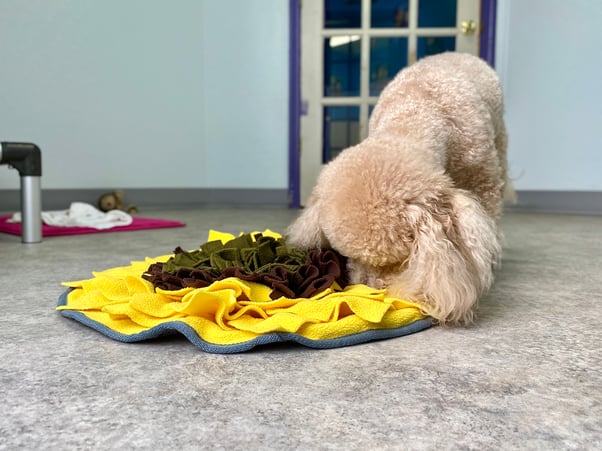
Mental stimulation builds resilience. Activities such as scent work, puzzle feeders, and simple problem solving games help dogs gain confidence through success.
After some activity inspiration? Check out our list of 6 mental stimulation games you can play with your dog. These dog confidence building exercises encourage independence and curiosity while reinforcing positive emotional states.
Choice and Control
Allowing dogs to make choices, such as approaching at their own pace, helps them feel safe and in control of their environment. This is especially important when working on building a dog’s confidence with other dogs.
Social Confidence with Other Dogs
Building social confidence should always be gradual and respectful.
- Start with calm, neutral dogs
- Use parallel walking before direct interaction
- Keep sessions short and positive
- Respect distance and body language
Not all dogs need close interaction with other dogs to be confident. Comfort and choice matter most.
Supporting Older Dogs with Confidence
Older dogs often need a slower, more predictable approach. Supporting them means reducing pressure and prioritizing comfort.
Helpful strategies include:
- Maintaining consistent daily routines
- Avoiding sudden changes in environment
- Offering calm, supportive guidance
- Minimizing stressful triggers where possible
Common Mistakes When Building Confidence
Even well-intentioned approaches can slow progress if not carefully managed.
When pet parents are eager to help their dog grow in confidence, it can be tempting to move too quickly or push them to “face their fears” in the hope they will get used to them. However, confidence doesn’t develop through pressure, it grows through safety, repetition, and positive experiences at the dog’s own pace.
When a dog feels overwhelmed, they are less able to learn, which can actually strengthen fear responses rather than reduce them. Learning to recognize when a dog is ready to progress, and when they need more time at an easier level is a key part of successful dog confidence training.
When helping a dog to grow in confidence, here are a few things to try and avoid:
- Forcing exposure too quickly
- Punishing fearful behaviour
- Inconsistent cues or expectations
- Overloading with too many new experiences
- Ignoring subtle signs of stress
Avoiding these helps ensure confidence grows in a positive, sustainable way.
Creating A Confidence-Friendly Environment
A supportive environment plays a key role in emotional well-being. Dogs are constantly taking information from their surroundings, and when their world feels predictable, safe, and manageable, they are much more able to relax, learn, and build resilience over time. Creating this kind of environment doesn’t mean removing every challenge, but instead ensuring your dog has the right balance of safety, structure, and gentle exposure to help them feel secure as they navigate everyday life.
Key elements include:
- Safe, quiet spaces for rest and retreat
- Predictable daily routines
- Gradual introduction to new experiences
- Opportunities for choice and exploration
- Understanding your dog’s body language
- Managing triggers such as noise or visitors
Pet parents can also benefit from tracking their dog’s responses to better understand patterns and needs. Noticing when your dog feels most relaxed, when they become uncertain, and what helps them recover can be incredibly valuable in shaping their environment.
Over time, this helps you fine tune routines and experiences, so your dog is supported in a way that builds dog confidence steadily and sustainably, rather than overwhelming them with too much change at once.

How ADAPTIL Can Support Confidence Building
Alongside training and environmental support, calming tools can help create the right emotional foundation for learning.
Naturally, puppies and adult dogs communicate using natural chemical signals called pheromones. These are released by mother dogs while they are caring for their puppies and from the ears of adult dogs, helping to provide reassurance and a sense of safety within the social group.
ADAPTIL products replicate this natural calming message.
ADAPTIL Calm is designed to help dogs feel more secure by providing an appeasing pheromone signal that supports emotional balance in everyday situations. It can be particularly useful during times when dogs may be learning to cope with change or building confidence through new experiences, such as:
- Settling into a new home or environment
- Adjustments to routine (such as new work schedules, visitors, or household changes)
- Training and structured dog confidence training programmes
- Early stages of dog confidence building exercises where dogs may feel unsure or easily overwhelmed
- Supporting calmer responses during exposure to new sounds, places, or situations
For more continuous or on-the-go support, the ADAPTIL Calm Collar can provide steady pheromone support directly around the dog, helping them feel reassured in situations such as walks, travel, or time spent in unfamiliar environments.
By helping dogs feel calmer and more settled, ADAPTIL can support the process of building a dog’s confidence and improve their ability to engage positively with learning experiences, exploration, and everyday life.
Supporting Your Dog’s Confidence for Life
Confidence is not a fixed trait but is something that develops and evolves throughout a dog’s life. Whether supporting a puppy, adolescent, adult, or senior dog, the goal is always the same, helping them feel safe, secure, and supported in their world.
Through patience, positive reinforcement, and a consistent environment, pet parents can make a meaningful difference in their dog’s emotional well-being and resilience.
For more guidance on supporting your dog’s emotional well-being, explore the rest of the ADAPTIL blog and discover how our range of products can help your dog feel calm and secure. And while you’re there, don’t forget to sign up for our newsletter to stay up to date with expert advice and dog-friendly tips!
Leave A Comment
Want to sign up for our blog?
Information Notice
The personal information collected is intended for Ceva Santé Animale, and Ceva group companies, in order to manage your request.This information may be passed on to service providers in order to organize this management. In accordance with the Regulations on personal data you have rights of access, rectification and limitation of processing of your data. You may also, in certain limited cases, oppose the treatment, withdraw your consent and request the deletion and portability of your data. For any request relating to your personal data please go to this page