
As our pups get older, they naturally go through some changes, just like us! Behaviour changes in dogs can happen at any stage of life, but they can become more noticeable as they age. You may see differences in their hearing, vision or notice that they’re taking life at a slower pace.
When you spot those grey hairs growing, it’s important to understand the changes that might come with your canine companion getting older. In this article, we’ll explore how your dog’s cognitive behaviour may shift with age and share tips on how we can help them enjoy their senior years.
Behaviour Changes in Older Dogs
Cognitive issues in older dogs are quite common. You might notice that your older dog seems confused at times, and this can be because they are less confident, cope less well with changes to their routine, or become stressed more easily. They might develop a concern about certain situations they previously were comfortable with, withdraw more from social situations or seem less responsive to cues.
Behaviour changes may happen naturally as your dog’s senses alter, but they shouldn’t be put down to “just aging”. The earlier you support your older dog’s cognitive health, the better.
Some dogs can develop Canine Cognitive Dysfunction (CCD), which is like human Alzheimer’s, and can result in older dogs acting confused. If you notice any of these signs of CCD, it’s important to check in with your vet to make sure your furry friend is getting the care they need, as other conditions need to also be ruled out:
- Disorientation—your dog may stare at things or into space, get lost in familiar places, display signs of confusion or bark without a clear trigger.
- Interaction changes—you might notice changes in how they interact with you or others, such as clinginess or withdrawal.
- Sleep-wake pattern alterations—they may pace or vocalize at night, have trouble sleeping or nap more during the day.
- House-soiling—accidents in the house can happen even if your dog is house-trained, often because they forget to signal when they need to go outside.
- Activity changes—your dog may show less interest in walks, play or other activities they would usually enjoy.
- Agitation—older dogs may not cope as well with situations as they used to. They might show fear in familiar circumstances, struggle recognizing familiar cues, be more sensitive to change and take longer to settle after stressful situations.
How to Support Your Dog’s Behaviour Changes
Mental Enrichment
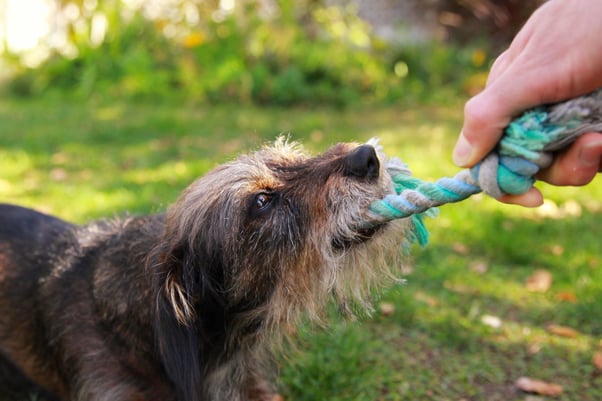
Mental enrichment is important to maintain as part of your dog’s routine, no matter their age! You can adjust certain activities to support your older dog’s behaviour changes, such as:
- Puzzle or activity toys—these come in different difficulty levels, so if this is new to your older dog, choose a simple option to start with or choose toys designed for senior dogs.
- Sniff walks—letting your dog use their nose is a great way to keep their brain active. You can also bring this indoors too, with snuffle mats, hide and seek games or scent trails.
- Short training sessions—continue with training sessions in a supportive way by adapting how you communicate. Using clearer cues, such as combining visual signals with verbal cues or different sounds, can help your dog keep on track with their training.
Physical Activity
Taking part in activities appropriate for their age is great for supporting both physical well-being and cognitive behaviour in dogs. As they get older, you might need to make a few adjustments, such as:
- Shorter, more frequent walks instead of fewer long ones.
- Familiar routes to help them feel comfortable and confident.
- Lower-intensity games like rolling balls rather than throwing them.
If your dog has other physical health issues such as sore joints, think about ways to include them in activities they enjoy. For example, if their favourite park is far away from home, maybe transport them there in a car or a dog buggy. This way they can still get the interaction and stimulation they love, but within their limits.
Calming Products
As our precious pups age, we want to make sure they’re as comfortable as possible so they can maintain a good quality of life. ADAPTIL provides a range of products, with and without pheromones, to reassure your older dog with natural messages to support their emotional well-being.
ADAPTIL pheromones, used in ADAPTIL Calm products mimic a natural pheromone released by mother dogs to reassure their puppies. It helps create a feeling of safety and comfort, supporting calm behaviour in dogs of all ages.
If changes in your older dog’s behaviour include showing signs of stress or discomfort, support your dog with the help of ADAPTIL:
- ADAPTIL Calm diffuser—simply plug the pheromone diffuser in to the room where your dog spends the most time to help them feel safe and secure in this area.
- ADAPTIL Calm On-The-Go Collar—this pheromone collar lets your dog carry a reassuring message with them wherever they go!
Routine
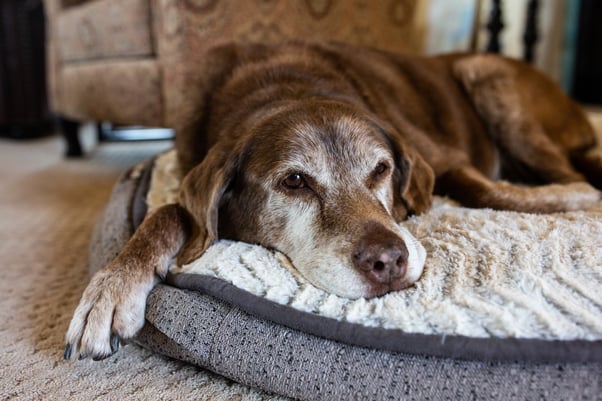
If you notice changes in your older dog’s cognitive behaviour, a predictable routine can help them cope better. Knowing what to expect in their day will give them comfort and confidence. Try to avoid sudden changes, and if change is unavoidable, introduce them gradually so your dog has time to adjust.
Building a consistent nighttime routine can help your dog sleep better. Make sure their sleeping area is comfortable and warm, consider low-level lighting if they prefer it and use signals like gentle petting or a chew to indicate bedtime and help them settle.
Safety
Make sure your home is safe to support your older dog’s behaviour changes. Keep passageways clear, use non-slip flooring, maintain familiar textures and avoid moving furniture around. If you have a garden, ensure it’s secure as well.
You can also support learnt behaviours. For example, if your dog is struggling to ask to go outside, adding visual cues such as marking the door they use and taking them out more regularly can help reinforce their previously learnt behaviour.
Discuss With Your Vet
Underlying medical conditions can sometimes contribute to changes in your dog’s behaviour, so make sure to mention any behaviour changes to your vet. This can be useful for dogs of any age, but especially for older dogs, as health changes can happen quickly.
Your vet can help by discussing ways to support your dog at home and whether they would benefit from a change in diet, addition of a supplement or medication.
How to Emotionally Support Older Dogs with Cognitive Issues
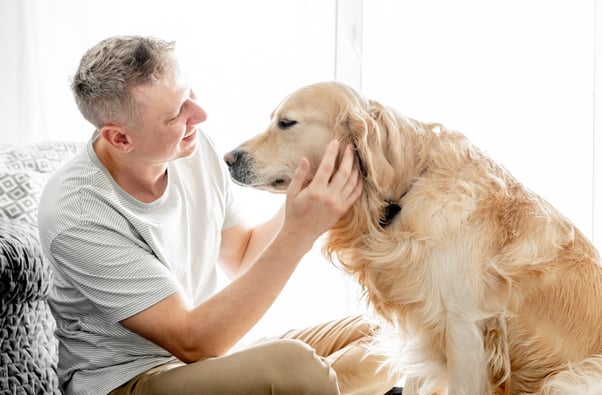
Supporting a dog with cognitive issues isn’t just about practical help. If your older dog is acting confused or different, emotional support is just as important. Showing affection and reassurance in the way your dog prefers can help them navigate cognitive changes with less stress and more peace of mind.
Some of the ways you can emotionally support older dogs and their behaviour changes include:
- Quality time—spend good quality time with your canine companion. Stay calm and consistent with your interactions.
- Use a soothing voice—speak gently and clearly to help reduce your dog’s feelings of anxiousness and provide reassurance.
- Maintain familiar routines—continue your dog’s favourite activities, adapting them as needed, and watch their body language to make sure they’re happy and comfortable.
- Be patient and avoid punishment—respond with patience to avoid adding stress or confusion if any accidents happen.
- Reinforce positive moments—notice when your dog is doing something you want them to or is succeeding at a task, to boost their confidence and strengthen your bond.
To learn more about supporting older dogs’ well-being, explore the rest of our ADAPTIL blogs online. And while you’re here, don’t forget to sign up for our newsletter for expert tips, research insights, and practical advice for calmer, happier dogs!
Leave A Comment
Want to sign up for our blog?
Information Notice
The personal information collected is intended for Ceva Santé Animale, and Ceva group companies, in order to manage your request.This information may be passed on to service providers in order to organize this management. In accordance with the Regulations on personal data you have rights of access, rectification and limitation of processing of your data. You may also, in certain limited cases, oppose the treatment, withdraw your consent and request the deletion and portability of your data. For any request relating to your personal data please go to this page