
Many families search for the “best” family dogs, but when it comes to choosing the dog that’s right for you, there’s no one-size-fits-all answer. In fact, when searching for the ideal dog for your household, there are lots of things to consider, such as your lifestyle, home environment, expectations and the individual dog themselves.
Just like each member of a family, every dog has their own unique personality, characteristics and needs, which means the “best” dog can look very different from one family to another. In this blog, we’ll explore some of the ideal family dog breeds, the factors to consider before bringing a dog home, and how to help your new canine companion settle into family life.
Is There Really a “Best” Family Dog Breed?
The short answer is no, there isn’t just one top dog breed for families. There are many dogs that may suit family life depending on the individual household. Rather than there being a single “best” breed, the right dog often depends on:
- Household lifestyle—For example, if the members of the family have the time and energy to best care for more energetic dog breeds.
- Experience level of the pup parents—Including whether they’ve had a dog in the family before.
- Expectations of what you will do together—When looking to introduce a dog to the household, some people have in mind a pooch that will be their loving and furry companion, others are looking for a dog to go on long walks or runs with.
Breed alone doesn’t determine how well a dog will suit your family, as individual personalities vary within every breed. Other factors, like early socialization, upbringing, training and past experiences, can all contribute to a dog’s behaviour and characteristics too.
That’s why it’s important to look beyond appearance or breed alone and think carefully about the best family dog for your family’s lifestyle, routine, and expectations.
A key part of researching potential breeds should also include considering their health and conformation to ensure they can live a happy and healthy life.
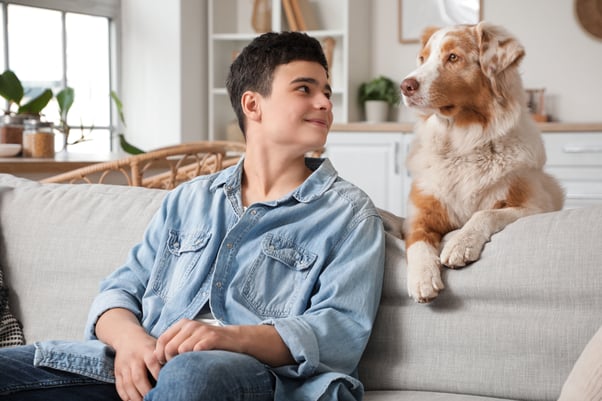
What Families Should Consider Before Choosing a Dog
It’s key to remember that all dogs, no matter the breed, need appropriate socialization, training and an enriched environment to thrive! Consistent routines, physical activity, mental stimulation, and quality interactions all play an important role in helping dogs feel happy and secure within family life.
However, when choosing the ideal dog breed for your family, there are several factors to consider that can help you determine which dogs may be the best fit for your family’s lifestyle and expectations.
Your Family’s Lifestyle
Your family’s lifestyle is one of the biggest factors to consider when looking for a dog. Things such as your daily activity levels, free time and the activities you’d like to do together, such as walking, training, dog sports or holidays, can all influence the top dog breed for your family.
For example, a relaxed household or a family with less experience with dogs may be better suited to different types of dogs than a very active family with lots of time for outdoor adventures.
However, no matter your family’s lifestyle, it’s important to remember that all dogs need quality time, training, socialization and enrichment to help them lead happy, comfortable and fulfilling lives.
Children’s Ages
The age of children in your family’s household should also be considered. For example, the ideal family dog breed for a household with young children will be one with a calm temperament and that’s good around children. With older children you may be more inclined to choose a higher-energy dog.
When considering children’s ages, decide what level of supervision they may need. Young children will need a parent around to supervise their time with the dog, whereas older children will need a lot less supervision, or none at all.
Space at Home
Another consideration when choosing the best dog for your family is your living environment. Consider whether you have a house or a flat, whether it’s in an urban or rural area and whether there’s access to outdoor space. All of these factors will influence the type of dog you’re looking for, as some dogs may need a quieter outdoor space, whereas others may be more adaptable to different environments.
Training and Experience
If you’re a first time dog parent, the right dog for your family may have a calm temperament, making it easier for you to learn. However, if you’re an experienced dog parent, you may be more drawn to a dog that may need that little bit more training.
Some dog breeds also need more stimulation than others, so consider how much time you have for activities like training, physical activity, mental stimulation and quality time.
Budget
Think about the budget you have for daily care of your new dog. There are many expenses that come with having a new dog, and it’s a commitment of both your time and finances, so it’s an important factor to consider. When thinking about your budget, consider expenses such as:
- Insurance
- Grooming
- Healthcare
- Food
- Equipment
Size
When considering size, this isn’t just about your home. It also includes the size of the dog. For example, if you’d like to go on holiday with your dog, will there be enough room in the car? Or, if you think a large dog is the best breed for your family, think about how you can manage them around small children or older adults.
Ensuring you have enough space for your dog to live comfortably is important, as not having enough room in their environment can lead to issues with their physical health, mental well-being, and overall quality of life.
When considering the best family dog for you, we also recommend speaking to breeders, a vet clinic or dog trainer and looking at breed profiles to find out more about specific dog breeds.
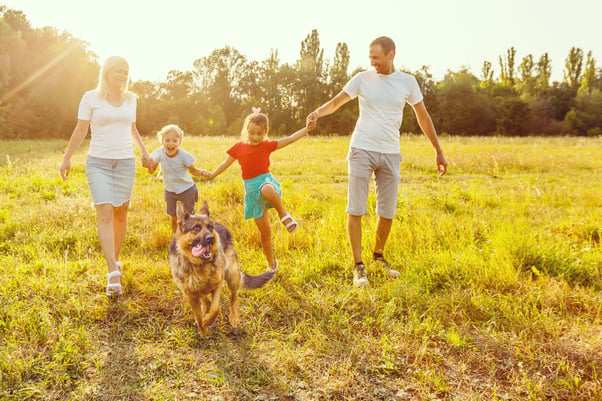
Finding the Ideal Dog Breed for Your Family’s Lifestyle
Active Families
Families that enjoy the outdoors, walks and sports, and are looking for a dog that enjoys action and adventure, may suit breeds that are more high-energy, sociable and enjoy mental and physical challenges. Some of the top dog breeds for these families can include:
- Labrador Retriever
- Border Collie
- Dalmatian
- Vizsla
- Spaniels
- Poodle
Calm and Laid Back Lifestyle Households
Those who prefer more relaxed routines may prefer a breed with a calm, laid back temperament. But it’s important to remember that daily gentle exercise is still required! Some calm dog breeds are:
- Greyhound
- Whippet
- Golden Retriever
- Irish Wolfhound
Families With Young Children
For families with young children, it’s good to look for tolerant, patient and easy-going dogs that are well-socialized. Adult dogs may be more suitable as their personality is clearer. These dog breeds can include:
- Golden Retriever
- Beagle
- Border Terrier
Smaller Homes or Flats
If you live in a smaller home or a flat, the best small dog breeds for family living aren’t always the smallest ones, what really matters is their energy level. A small but very active dog may still find flat living challenging without plenty of walks, training and mental stimulation. The best family dog for a smaller space can include:
- Miniature Schnauzer
- Whippet
- Bichon Frise
- Havanese
First-Time Dog Parents
The best dog breeds for first time dog parents are those with a calm temperament, trainable nature and moderate exercise needs are often easier to manage while you learn the responsibilities of dog ownership. These include:
- Labrador Retriever
- Bichon Frise
- Greyhound
- Cocker Spaniel
Multi-Pet Households
When choosing the ideal dog for multi-pet households, focus on temperament, socialization, and compatibility between animals rather than breed alone. Successfully integrating a new dog into your household depends on gradual introductions, training, and ensuring each pet has its own space and resources. A few breeds that generally respond well to being in a multi-pet household include:
- Poodle
- Golden Retriever
- Beagle
We recommend avoiding breeds such as sighthounds in cat households because of their natural prey drive.
Don’t Overlook Rescue Dogs and Mixed Breeds
When looking at your ideal family dog breeds, don’t forget rescue dogs. Rehoming centres can be a great option, as they assess a dog’s temperament and suitability for family life and often arrange meetings before adoption.
Mixed-breed dogs can also be a good choice, including designer mixes such as Labradoodles and Goldendoodles, as well as other crossbreeds. However, their personality and needs can be less predictable than pedigree dogs, so it’s important to speak to breeders or centres about the parents and any previous litters.
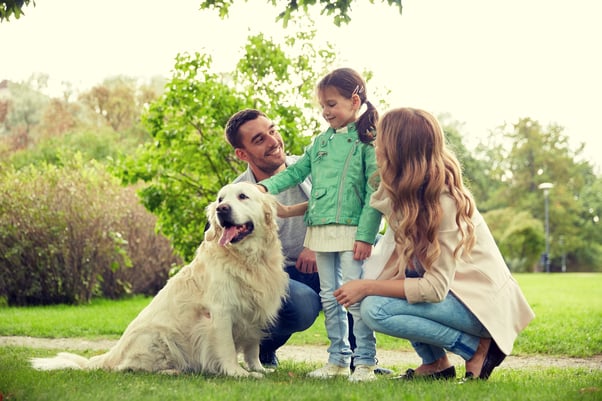
Preparing Your Dog for Family Life
Regardless of the top dog breed you choose for your family, all dogs will need help settling into their new home. To support a smooth transition, it’s important to:
- Teach everyone in the home (including children) how to interact with dogs, including respecting their body language and needs.
- Ensure children are supervised during interactions, until you are satisfied that your child knows how to respond to your dog’s body language.Set clear house rules that everyone agrees to and follows consistently.
- Involve all family members in care routines such as feeding, walking and training.
- Research and choose a reputable breeder or local rehoming centre, and if possible, try to spend some time with your new dog as a family before bringing them home.
- Introduce routines gradually and allow your dog time to adjust to their new environment.
How ADAPTIL Can Help Dogs Adjust to Family Life
Helping a dog adjust to their new environment can take some time, especially in busy households or when routines change. Providing calming support during this period can help your new dog feel more comfortable and secure in their new home.
Alongside training, routine, bonding and positive experiences, plugging an ADAPTIL Calm Diffuser into the room your dog spends most of their time will release calming messages to help them feel at ease. By mimicking the natural dog appeasing pheromone, ADAPTIL delivers a reassuring message that helps dogs feel safe and comfortable.
Some dogs, especially rescue dogs, may feel apprehensive outside or in busy environments. The ADAPTIL Calm Collar can be used both outdoors and indoors to help continuously support your dog during moments they may feel anxious. The odourless to humans collar lasts for up to 30 days, providing calming support while on the go or at home.
For more expert tips on helping a dog feel settled in their new home and supporting their emotional well-being, explore the rest of the ADAPTIL blog. And don’t forget to sign up for our newsletter to stay up to date with the latest guidance and support for your dog.
Leave A Comment
Want to sign up for our blog?
Information Notice
The personal information collected is intended for Ceva Santé Animale, and Ceva group companies, in order to manage your request.This information may be passed on to service providers in order to organize this management. In accordance with the Regulations on personal data you have rights of access, rectification and limitation of processing of your data. You may also, in certain limited cases, oppose the treatment, withdraw your consent and request the deletion and portability of your data. For any request relating to your personal data please go to this page