
Not all puppies get the smooth start they deserve. Early experiences play a huge role in a puppy’s development stages, while trauma can easily shape how they see the world.
The good news? With gentle guidance and the right support, even a traumatized puppy can grow into a confident and happy dog! Let’s take a look at how you can help your puppy feel safe again.
What Does Early-Life Stress Mean for Puppy Development?
During key puppy development stages, especially in the first six months, puppies are highly impressionable. Their brains are rapidly developing, and they’re learning what is safe, normal, and worth being curious about.
When puppies experience stress during this time, it can very easily shape how they respond to the world later on—even if the source of that stress isn’t immediately obvious or rational.
Common Early-Life Stressors for Puppies
Early stress doesn’t always mean obvious trauma. It can include:
- Lack of proper socialization (limited exposure to everyday sights, sounds, and people)
- Early separation from their mother
- Inconsistent or rough handling
- Unpredictable or stressful environments
- Frightening experiences, such as being attacked by another dog or animal
- Lack of positive human interaction
It’s also worth noting that genetics can play a role. Some dogs may be naturally more resilient, while others are more sensitive to stress. Interestingly, Labradors appear to be more resilient than other breeds, such as Huskies and Airedale Terriers.

Critical Puppy Development Stages
There are two key periods in a puppy’s development where experiences have a particularly strong impact:
The Pre-Natal & Neonatal Period
A puppy’s emotional development begins before they’re even born. Maternal stress can affect puppies in the womb, and the quality of care they receive after birth helps shape their resilience.
The Socialization Period (Around 3 – 12 Weeks)
This is one of the most important puppy development stages. Positive experiences with other dogs, people, and the wider world are essential during this time to help puppies:
- Build confidence
- Learn to cope with new situations
- Develop healthy social skills
Without this socialization, as puppies grow, they find many aspects of everyday life overwhelming.
How Puppy Trauma Can Affect Behaviour Later On
A traumatized puppy may carry the effects of early stress into adolescence and adulthood. This doesn’t mean their future is fixed, but it does mean they may need extra support.
Common long-term effects of early trauma in puppies can include:
- Increased fearfulness
- Sensitivity to noise or sudden changes
- Difficulty coping with new environments
- Hypervigilance or trouble relaxing
- Reduced confidence in social situations
- Clinginess or, conversely, withdrawal
- Slower learning or difficulty focusing
Some dogs may also show stronger reactions to everyday situations, as their early experiences have shaped how they interpret the world.
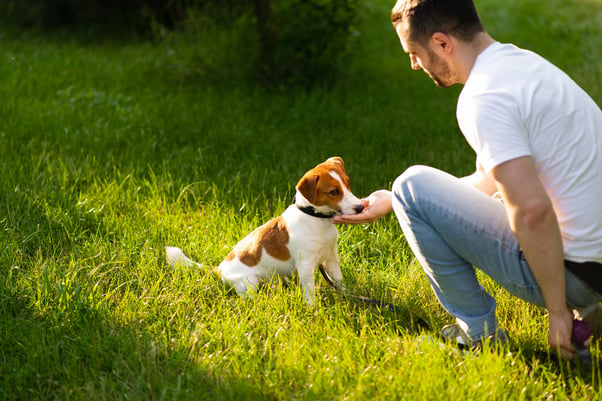
Puppy Stress Symptoms: Signs of a Difficult Start
Not all dogs show obvious signs of trauma as a puppy, but there are some common puppy stress symptoms to look out for:
- Startling easily or remaining tense
- Hiding or avoiding people and situations
- Reluctance to play or explore
- Nervous body language (e.g. cowering, tucked tail)
- Difficulty settling or struggling to sleep normally
- Overreacting to minor noises or changes
- Taking a long time to recover after a stressful event
Recognizing these signs of stress allows you to provide the right support and build trust.
How to Support a Traumatized Puppy
There are several ways to help a puppy recover from early stress, but the same guiding principles apply to each: patience, consistency, and understanding. Your goal isn’t to “fix” your dog after a difficult start, but to help them feel safe and secure at their own pace.
Try these steps to gently help them along their way:
Create Predictable Routines
Consistency—and knowing what to expect—helps to establish trust. A consistent routine with regular feeding times, walks, play, and rest will give your puppy a sense of security, removing the uncertainty about what’s coming next.
Use Calm, Reassuring Communication
Speak softly, move slowly, and avoid overwhelming interactions. Dogs are receptive to our actions and emotions, and our behaviour helps show them that they’re safe.
Reward Positive Moments
Positive reinforcement is key. Reward your puppy when they:
- Explore something new
- Remain calm in a new or uncertain situation
- Show curiosity or confidence
These small wins help build confidence over time.
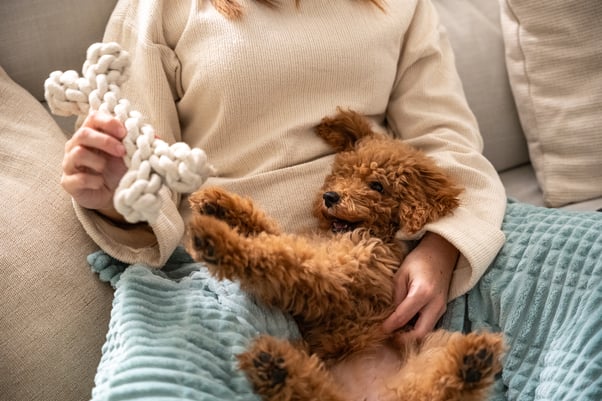
Create a Safe Space
Every puppy needs a place where they can retreat and relax without being disturbed. Choose a quiet, low-traffic spot, and add all the comforting essentials: a dog bed, blanket, favourite toys, and so on.
An ADAPTIL Calm diffuser is a great way to take this one step further, creating a reassuring environment by releasing calming pheromones that help dogs feel more secure at home.
Avoid Punishment
Punishment for behaviour associated with puppy stress symptoms is only likely to increase their fear and damage your bond together. Instead, focus on guiding your puppy gently and encouraging behaviours you want to see through positive reinforcement.
Introduce the World Gradually
Let your puppy set the pace. Gentle, positive exposure to new environments, people, and experiences helps build resilience without the risk of overwhelming them.
Build Confidence Through Enrichment
Enrichment activities can be a powerful way to support a puppy’s development. Try scent games and treasure hunts, puzzle feeders, play sessions, and low-pressure exploration together.
These activities help develop problem-solving skills and create positive associations with the world around your puppy.
When to Seek Extra Support
If your puppy is showing significant fear, anxiety, or other stress symptoms, it can be beneficial to work with a qualified behaviour professional. They can create a tailored plan to support your dog’s emotional development, helping them feel more at ease with the world, including interacting with other dogs and people.
Supporting Your Puppy’s Journey
Every puppy is different. Some may bounce back from early trauma quickly, while others need more time and support. What matters most is creating a safe, predictable environment where your puppy can learn to trust again.
By understanding your puppy’s development stages and responding to their body language with patience and care, you can help your puppy grow into a confident, well-adjusted companion!
Continue exploring the ADAPTIL blog for more expert advice on raising your puppy. And while you’re there, don’t forget to sign up for our newsletter to stay up to date with the latest tips and guidance!
Leave A Comment
Want to sign up for our blog?
Information Notice
The personal information collected is intended for Ceva Santé Animale, and Ceva group companies, in order to manage your request.This information may be passed on to service providers in order to organize this management. In accordance with the Regulations on personal data you have rights of access, rectification and limitation of processing of your data. You may also, in certain limited cases, oppose the treatment, withdraw your consent and request the deletion and portability of your data. For any request relating to your personal data please go to this page