
Adding a second dog to your family can be deeply rewarding, but it’s a big decision! Adopting a dog that’s a good match for your current furry friend can bring joy, comfort, and balance to your dog’s life. However, for some dogs, happiness is spending time with their humans without another dog in the mix.
Dogs, like people, are individuals with different needs for social interaction. Therefore, it’s helpful to recognize the signs of whether your dog is lonely and wants a dog companion to spend time and play with, or if they simply want more time with you.
Understanding a Dog’s Social Needs
Understanding a dog’s behaviour can tell you a lot about what they want and need. Dogs are naturally social animals because they have descended from group-living ancestors. While some dogs do well alone, many enjoy companionship, especially if they are left alone often.
For our dogs, social interaction is an important factor for their emotional health. If they don’t get enough, they can become bored. When your dog is bored, it may lead to negative behaviours such as barking, restlessness or destructive actions.
Signs Your Dog Might Be Lonely
For dogs, loneliness can show in many ways. If you think your dog might be lonely, it’s important to look out for these signs:
- Increased clinginess or attention-seeking
- Destructive behaviour when left alone, such as chewing, digging or excessive barking
- Unsettled behaviours like restlessness or pacing
- Excessive sleeping or lethargy
- Loss of interest in toys or activities they usually enjoy
If your dog shows any of these signs, make sure to take them to the vet for a check-up. This helps to rule out any medical reasons for the changes in their behaviour.

Signs They Enjoy Other Dogs’ Company
If you’re thinking of adopting a dog, it’s important to know whether your current pup enjoys the company of other dogs. Some of these signs are:
- Positive play with other dogs they meet
- Seeking out other dogs and using ‘positive’, relaxed body language around them e.g. soft eyes and loose/wiggly body posture
- Willingness to share objects
- Showing signs they are a bit ‘down’ after a play date ends, rather than being laid back afterwards
Benefits of a Dog Companion
If you’ve identified that your dog is lonely and in need of a companion, having another furry friend around can offer a range of benefits that positively impact your dog’s behaviour and well-being. These benefits can include:
- Constant companionship and play opportunities whenever needed
- Company when left home alone by humans
- Increased opportunities to improve social skills and confidence
- Mental stimulation through interaction
- Enhanced emotional well-being
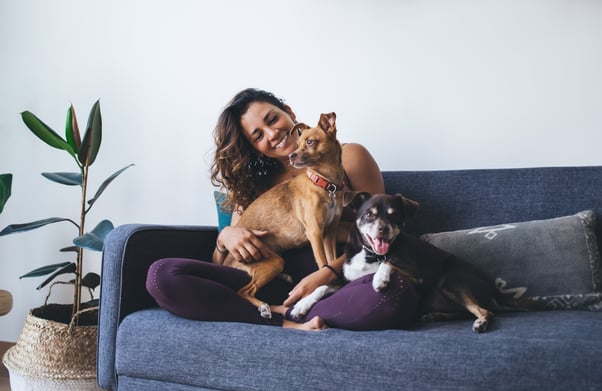
Things to Consider Before Adopting Another Dog
Lifestyle and Environment
Before adopting a dog to give your pup a friend to play with, consider if your lifestyle and environment can support another dog. It’s important to evaluate whether you have enough space for two dogs to live comfortably, with each dog having their own space when needed.
Also consider the additional costs and commitment involved in having another dog. Ensure that you can give them both equal amounts of attention, whether through grooming, vet care, training sessions or bonding time. If you’re ready to add another dog to the family, make sure you’re fully prepared to meet their needs and provide them with a comfortable new home.
Compatibility
Every dog is different! So, choose your dog’s companion wisely. Consider your current dog’s age, energy level and temperament, and bring home a dog with a complementary personality.
Think about how your current dog approaches situations, such as play, and think about the sort of dog that would fit with them. For example, a calm and low energy dog may find it difficult to fit in with a more exuberant and energetic playmate. If your dog tends to be standoffish with other dogs, it may be that they prefer the company of humans instead.
Emotional Readiness
Consider whether your current dog is emotionally stable and well-trained. If there are underlying issues with your dog’s behaviour, getting another dog is unlikely to resolve them. Ideally, these issues should be resolved first before bringing a new dog into the home.
Some questions you can ask yourself to determine whether your dog is emotionally ready for a companion are:
- Is your current dog okay with sharing objects?
- Do they have positive previous experiences of being around other dogs?
- Did they have good experiences with other dogs during their socialization period?
- How do they interact with dogs they don’t know when out and about?
- How do they interact with dogs that visit your home?
- What are the ways they cope with change?

How to Introduce Dogs to Each Other
- First impressions matter—Introduce the dogs on neutral ground, keeping both on leads and allowing them to observe each other. Going for a walk together helps them spend time in close proximity without forced interactions.
Use treats as positive reinforcement to reward appropriate behaviour, such as relaxed eye contact. It’s important to watch their body language for signs of stress, like prolonged staring or growling. Take things slowly, stay calm, and if necessary, divert their attention elsewhere and increase the distance between them. - Bringing your new dog home—Make sure there are no toys or food out in the house when you first bring both dogs home. Give each dog their own space initially, providing separate beds, bowls and toys.
Supervise their interactions closely for the first few weeks, monitoring their body language for any signs of issues developing. When introducing your dogs at home, use positive reinforcement to reward calm, friendly interactions between them. - Use ADAPTIL Calm—To help your dog feel more at ease in their new home, consider using ADAPTIL Calm. The diffuser releases dog-appeasing pheromones to help promote a sense of security and relaxation during introductions and when settling into a new home.
Simply plug in the ADAPTIL Calm diffuser a few days before your new dog arrives to create a reassuring environment for both dogs. If you are driving your new dog home, spraying ADAPTIL Transport spray on the car or bedding can also help them feel calmer during the journey.
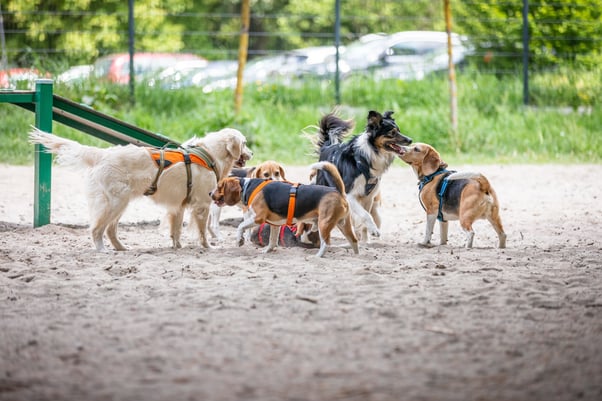
Other Ways to Provide Your Dog with Companionship
If you’re not sure your dog is ready to have a full-time playmate at home, or if you are wary of introducing another pet into the family for any other reason, there are other ways you can provide your dog with companionship.
You can:
- Plan playdates with dog friends and your friends with dogs
- Use dog meetup apps or groups to find good matches for your dog to meet
- Book them into a doggy daycare when you need to leave them home alone or find a dog walker, friend or neighbour who can spend some time with your dog and take them out for a walk
- Attend dog activity classes, such as obedience classes, agility and flyball
- Let them spend more time with you. Humans count as social interaction too!
For more expert tips on adopting a dog, keep exploring the ADAPTIL blog online. And don’t forget to sign up for our newsletter to remain in the loop with all our latest updates!
Leave A Comment
Want to sign up for our blog?
Information Notice
The personal information collected is intended for Ceva Santé Animale, and Ceva group companies, in order to manage your request.This information may be passed on to service providers in order to organize this management. In accordance with the Regulations on personal data you have rights of access, rectification and limitation of processing of your data. You may also, in certain limited cases, oppose the treatment, withdraw your consent and request the deletion and portability of your data. For any request relating to your personal data please go to this page